The oral traditionUntil 1900
Five things worth telling. Five things kept.
Memory lived in people.
Selection was not a feature of the technology. It was the whole technology.
The layer above storage, and why nobody has built for it yet.
The Memory Economy is what happens to a life after it has been recorded.
The emerging technological and commercial layer concerned with the understanding, preservation, retrieval, experience and inheritance of human memory, in a world where lives are increasingly recorded by default.
Cloud storage. Backup. Social feeds. Genealogy of the dead.
Storage is solved.Memory isn’t.
Selection was not a feature of the technology. It was the whole technology.
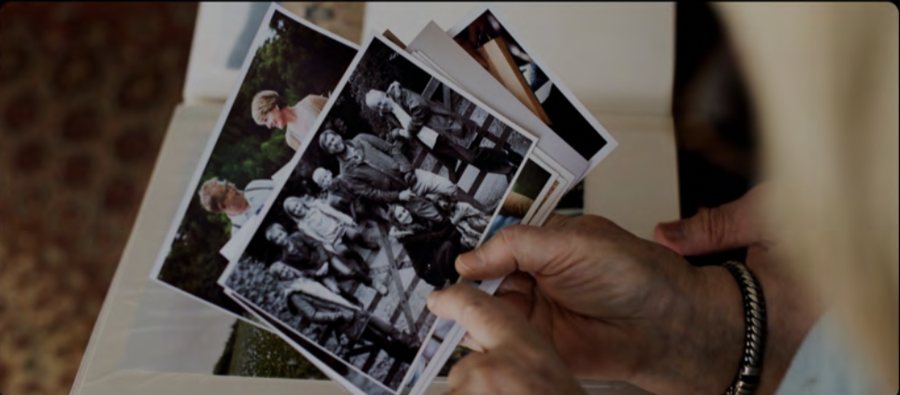
Scarcity did the editing. An album. A shoebox. A drawer.
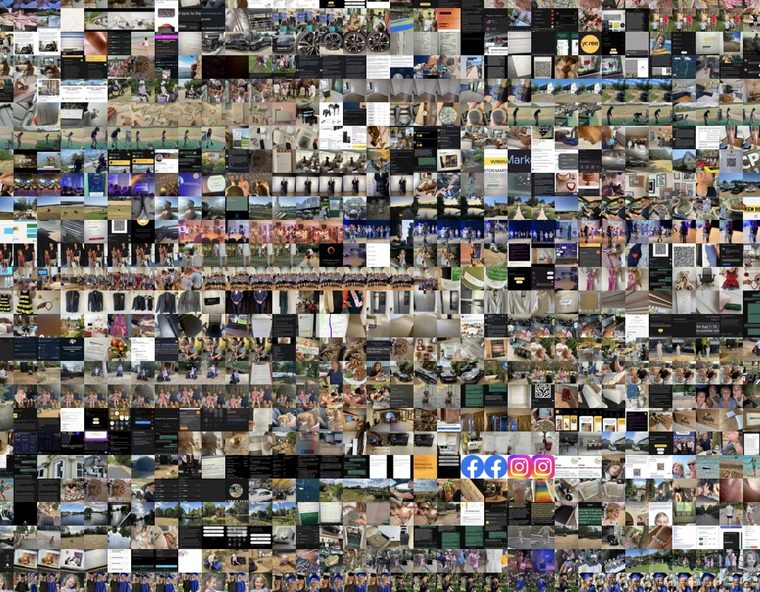
We have more evidence of our lives than any generation in history, and less meaningful access to it.
This is what  does.
does.
Not fewer photographs: a layer of intelligence that restores significance without taking anything away.
It flattens a wedding and a parking receipt into the same rectangle, sorted by the least meaningful attribute available: the second it was taken.
 change that.
It does not record
None of it was ever captured by anything. It decays at the usual human rate.
That is the difference between content and context, and, in the end, between a record and a memory.
Memorify is building the infrastructure beneath it.
A memory does not become more valuable because it has been stored for longer. It becomes valuable the moment somebody goes back to it. The past is treated as storage and the present as urgent, so almost nobody does.
Returning is not merely sentimental. Revisiting meaningful memories can support joy, emotional connection and recall, and helps sustain the thread of a person’s own story: the autobiographical continuity that research links to wellbeing. Yoree is designed for exactly that act of return.
The memory science behind return →